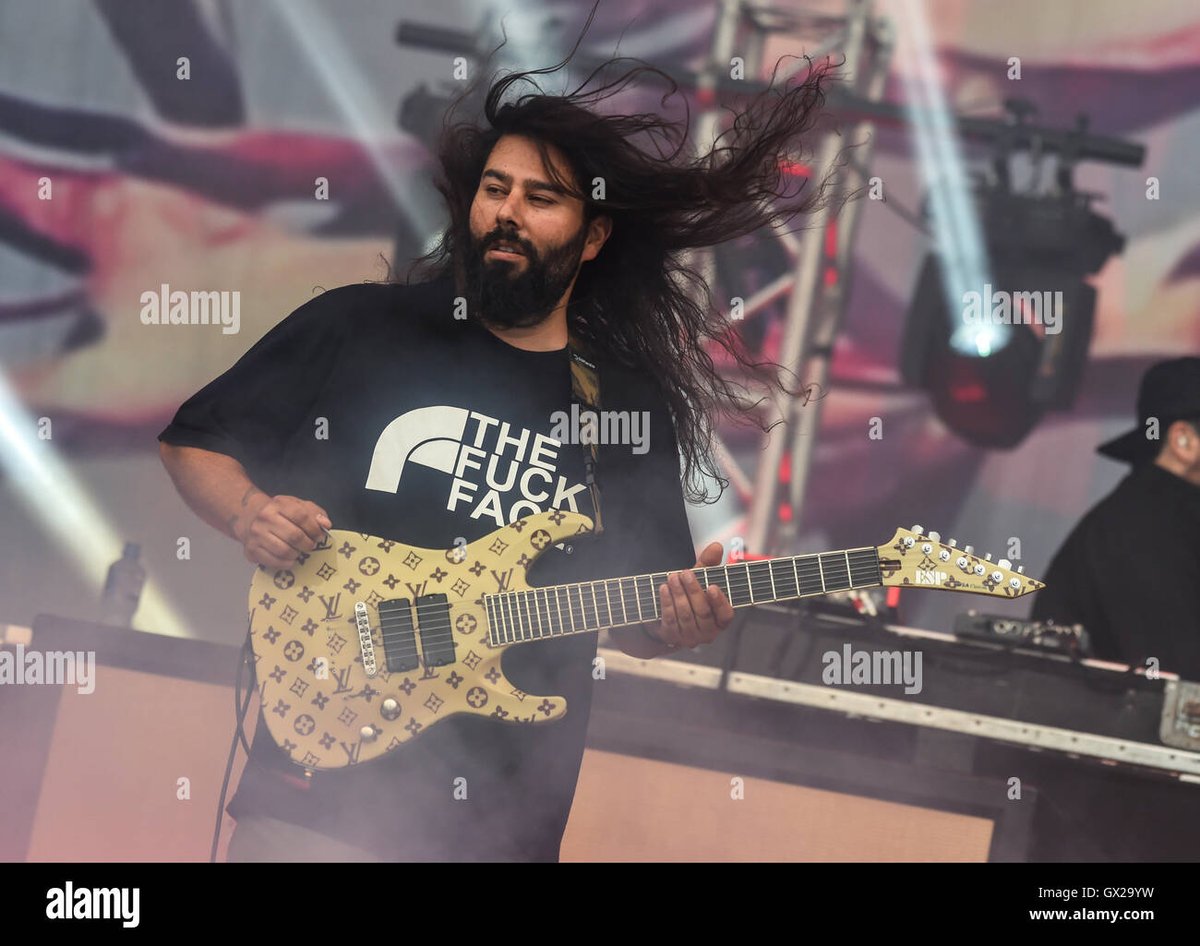
The air crackles with an almost palpable energy, a humid haze of anticipation before the stage lights burst to life. For over three decades, Deftones has cultivated a reputation as one of the most compelling and visceral live acts in music. But before the sold-out arenas and the "Real Live Certified" status, there was the gritty, sweat-soaked proving ground of Sacramento's clubs. It was in these early, intense engagements, performing as a hungry, ambitious band, that Deftones' unique blend of raw power, melodic introspection, and controlled chaos truly began to coalesce. Their Deftones' Early Tours and Live Performances weren't just gigs; they were the crucible where a nascent sound was hammered into the signature, genre-defying force we know today.
At a glance: What forged Deftones' live legend
- Humble Beginnings: Formed in Sacramento, California in 1988, Deftones cut their teeth in local clubs and the burgeoning alternative metal scene.
- Live as Laboratory: Early performances were critical for developing their dynamic shifts—from brutal intensity to ethereal melody—and their ability to improvise.
- Nu-Metal Roots, Unique Evolution: While initially associated with nu-metal, their live shows quickly demonstrated a depth and experimentalism that set them apart.
- Defining Stage Presence: Chino Moreno's enigmatic and commanding vocals, Stephen Carpenter's foundational riffs, and the rhythm section's relentless drive defined their early, explosive shows.
- "White Pony" as a Catalyst: The 2000 album deepened their live sound, integrating keyboards and expanding their atmospheric capabilities, pushing them beyond simple categorization.
- Enduring Legacy: Their early stagecraft laid the groundwork for their current status as superb live performers, celebrated for "thunderous, emotional, flawless" shows.
The Sacramento Underground: A Breeding Ground for Raw Power
To understand the genesis of Deftones' captivating live presence, you have to rewind to late 1980s Sacramento. This wasn't a city known for churning out rock stars, but it was a fertile ground for youth with something to say and a desire to say it loudly. Stephen Carpenter, Chino Moreno, and Abe Cunningham, along with original bassist Chi Cheng, came together with a shared passion for heavy, aggressive music, yet harbored a distinct aversion to falling into predictable grooves. Their early days were less about grand visions and more about relentless practice in garages and playing any local show that would have them.
These weren't polished performances from the get-go. Instead, they were raw, unrefined expressions of adolescent angst and musical ambition. The band's early sound embraced the heavy, downtuned guitars and rhythmic intensity that would later be labeled "nu metal," but even then, there was an undercurrent of something more atmospheric, a melodic sensibility that hinted at greater depth. The energy of these early shows was infectious and often unpredictable, reflecting the youthful exuberance and occasional frustrations of a band still finding its voice. It was during this formative period that Chino Moreno's early life experiences and influences began to fully manifest in his distinctive vocal delivery and magnetic stage presence—a blend of vulnerability and aggression that would become a Deftones hallmark.
From Garage Rehearsals to Club Stages: Honing the Edge
In those cramped, often dimly lit Sacramento venues, Deftones developed the unique sonic alchemy that would define them. They weren't just rehearsing songs; they were rehearsing a live experience. The band learned to push and pull, to transition from bone-crushing riffs to moments of delicate, almost haunting melody, a dynamic that would become their calling card. This wasn't something they simply mapped out; it evolved through constant iteration in front of live audiences.
Chi Cheng, the original bassist, was a crucial part of this early live chemistry. His stage presence was both grounding and energetic, providing a counterpoint to Moreno's more mercurial movements. Together with Carpenter's monolithic guitar sound and Cunningham's precise, yet powerful drumming, they crafted a live wall of sound that felt both immense and surprisingly nuanced. They understood that a heavy band didn't have to be one-dimensional; the space between the notes, the sudden shifts in tempo and volume, were just as important as the loudest blast. This commitment to dynamic range, forged in the heat of countless small gigs, was key to their ability to transcend easy categorization even as the nu-metal wave crested around them.
The Crucible of the Stage: How Live Gigs Shaped Their Sound
The stage wasn't just a place to play songs; it was Deftones' primary laboratory. Unlike many bands who meticulously craft their studio sound and then adapt it live, Deftones often let their live performances inform their studio work. The immediate feedback from an audience, the adrenaline of a spontaneous moment, the way a riff felt when amplified through a club's PA system – these elements were fundamental to their creative process.
Their early tours, often supporting larger acts or headlining smaller venues, were relentless. This constant exposure to the road sharpened their performance, transforming raw talent into formidable stagecraft. They learned to command a crowd, to channel their collective energy into a singular, powerful statement. While their initial sound certainly embraced the heavy, aggressive tones prevalent in the burgeoning "nu-metal" scene of the 90s, Deftones always harbored a restless spirit, refusing to be confined. Their live shows were where this spirit truly manifested, pushing boundaries and experimenting with textures that went beyond the mosh-pit ready anthems. They understood that true impact came from a broader emotional spectrum, not just pure aggression. This was how they avoided the pitfalls of becoming just another band in a crowded, often formulaic genre.
Raw Energy and Controlled Chaos: Defining Early Performances
A Deftones show in the mid-to-late 90s was an experience in controlled chaos. Moreno, with his often-unpredictable movements and piercing gaze, was a captivating frontman. He could shift from a guttural scream to a whispered, almost fragile melody within a single breath, his voice a potent instrument for conveying a vast range of emotions. Stephen Carpenter's guitar work, meanwhile, was the bedrock – heavy, menacing, yet often deceptively simple, laying down grooves that were both hypnotic and crushing. Abe Cunningham's drumming was a masterclass in controlled power, driving the songs forward with precision and intensity.
What truly made these early performances stand out from their contemporaries was this inherent dynamism. They weren't afraid to let songs breathe, to explore sonic landscapes between the heavy sections. This wasn't just about loud-quiet dynamics; it was about emotional dynamics. They could evoke euphoria, anger, melancholy, and hope, often within the same set, sometimes within the same song. This made their concerts feel less like a recital and more like a shared, intense emotional journey, forging a deep connection with their rapidly growing fanbase.
The Evolution Unfolds: From Adrenaline to Atmosphere
As Deftones gained traction, their live sound continued to evolve, mirroring their artistic growth. The arrival of Frank Delgado as their full-time keyboardist and turntablist marked a pivotal moment, especially leading up to and during the White Pony era. His presence allowed the band to expand their sonic palette dramatically, adding layers of texture, atmosphere, and electronic elements that had previously only been hinted at.
This shift wasn't just about adding new sounds; it was about deepening the emotional resonance of their performances. Live, Delgado’s contributions meant more intricate soundscapes, more immersive intros, and atmospheric transitions that blurred the lines between songs, creating a seamless, almost cinematic flow to their sets. Moreno also began incorporating rhythm guitar into his live performances around this time, further thickening their sound and allowing for even richer harmonic possibilities. This conscious decision to embrace complexity and atmosphere, rather than solely relying on raw power, was a testament to their unwavering commitment to artistic growth.
"White Pony" and Beyond: Live Shows as a Sound Laboratory
The release of White Pony in 2000 was a watershed moment for Deftones, both critically and commercially. Live, the material from this album, especially tracks like their breakout single "Change (In the House of Flies)," allowed them to showcase their expanded capabilities. The nuanced arrangements and broader stylistic range translated beautifully to the stage, proving that their experimental leanings were not only viable but incredibly impactful in a live setting. Fans who had come for the raw aggression of their earlier material were now equally captivated by the ethereal beauty and intricate layers of their new songs.
This period saw Deftones sharing stages with an increasingly diverse array of artists, from the raw intensity of Glassjaw to the progressive sounds of The Mars Volta and the intricate metal of System Of A Down. These varied pairings pushed them further, allowing them to explore new aspects of their stage performance and broaden their appeal. Their live shows became less about strictly reproducing album tracks and more about interpreting and expanding upon them, embracing improvisation and allowing the energy of the moment to guide their performances. This constant innovation on stage was key to their longevity and their ability to consistently deliver fresh, engaging concerts, proving they could hold their own with anyone on the bill, whether it was Yelawolf or Incubus.
The Deftones Live Experience: A Fan's Perspective Through the Years
To truly appreciate Deftones' live prowess, you have to talk to someone who's been in the pit, who's felt the bass rattle their bones and the melodies pierce their soul. From those early, sweaty club shows to their current arena spectacles, the Deftones live experience has always been about immersion. It's a journey through sound and emotion that few bands can replicate.
Reviewers and fans consistently describe their shows as "thunderous," a testament to Stephen Carpenter's earth-shaking riffs and Abe Cunningham's powerful drumming. Yet, they are equally lauded as "emotional" and "melodic," highlighting Chino Moreno's captivating vocal range and the atmospheric contributions of Frank Delgado. There’s a "flawless" execution to their musicianship, yet it never feels sterile; instead, it's infused with a "jubilant" and "exciting" energy that makes every show feel unique. The "ethereal" quality often invoked speaks to their ability to create dream-like soundscapes that transport the audience. This unique blend of power and beauty, chaos and control, is the enduring legacy of their early stagecraft, refined over decades but rooted in the formative experiences of those first tours. It’s what makes them consistently rank in the top 10% of all live performers, earning them a "Real Live Certified" status based on hundreds of glowing concert reviews.
The Enduring Legacy of Their Early Stagecraft
The foundational work laid during Deftones' early tours and live performances continues to inform every aspect of their current shows. The dedication to dynamic range, the willingness to experiment within a heavy framework, and the raw, visceral connection with their audience – these are all qualities that were honed in those formative years. Their ability to deliver a performance that is both intensely powerful and deeply nuanced is not an accident; it's the result of decades of perfecting their craft on stages large and small.
Today, their booking fees, estimated around $175,000 to $250,000 per show, reflect their undeniable status as a premier live act. This financial success is a direct consequence of the consistent, high-quality, and deeply engaging performances they've delivered throughout their career, a standard set early on when they were playing for little more than gas money and a chance to connect with a crowd. The impact of their live performances extends beyond just music; it’s an artistic statement that continues to resonate with generations of fans.
Common Questions About Deftones' Live History
Understanding Deftones' live journey often leads to specific questions about their performances and evolution. Here are some common inquiries:
How long do Deftones concerts typically last?
Deftones concerts typically last anywhere from 45 minutes to two hours, depending on whether they are headlining, co-headlining, or playing a festival slot. Their full headline sets usually fall in the 90-minute to two-hour range, allowing them to showcase a wide array of their discography.
What was Deftones' early sound like live?
In their early years, Deftones' live sound was characterized by a heavy, raw, and often aggressive "nu-metal" influenced style. It featured downtuned guitars, powerful rhythms, and Chino Moreno's dynamic vocal shifts, often oscillating between intense screaming and melodic singing. Despite the aggression, there was always an underlying atmospheric and experimental quality that distinguished them.
Who were some bands Deftones toured with early on?
Deftones toured with a diverse range of artists early in their career, helping them to reach broader audiences and refine their live show. Some notable bands they performed with include Incubus, Glassjaw, System Of A Down, AFI, and The Mars Volta. These collaborations often highlighted Deftones' versatility and their ability to command a stage alongside both heavier and more atmospheric acts.
How did "White Pony" change their live performances?
The release of White Pony in 2000 significantly expanded Deftones' live performances. The album's inclusion of Frank Delgado as a full-time keyboardist/turntablist allowed for richer textures, deeper atmospheres, and electronic elements to be integrated into their live sound. Additionally, Chino Moreno began playing rhythm guitar on stage for many songs, adding another layer of depth and sonic power to their shows, moving them further beyond their initial "nu-metal" tag.
Looking Ahead: The Current Chapter of Deftones Live
Deftones continue to be a formidable live force. Their journey, marked by both triumph and tragedy – from the devastating accident of original bassist Chi Cheng in 2008 and his passing in 2013, to the subsequent tenure of Sergio Vega, and now with Fred Sablan touring on bass since 2022 – underscores their resilience and unwavering commitment to their craft. They have consistently navigated personal and professional challenges, always returning to the stage, which remains their true home.
With upcoming tour dates spanning the globe, from Sacramento to San Diego, Mexico City, and across Europe in early 2025, including iconic venues like the O2 Arena in London and the Barclays Arena in Hamburg, Deftones are clearly not resting on their laurels. Their recent releases, including their latest, Saturday Night Wrist (June 15, 2024), demonstrate an ongoing creative vitality that ensures their live shows remain fresh and relevant. Each performance is a testament to the band's enduring power, built on the foundations meticulously laid during those transformative early tours.
If you’ve never experienced Deftones live, you owe it to yourself to witness the culmination of decades of live artistry. From the intimate intensity of their beginnings to the expansive spectacle of their current shows, Deftones delivers an experience that is as profound as it is powerful. They don't just play music; they create an atmosphere, an emotion, a shared moment that transcends the stage and connects directly with everyone in the room. It’s a powerful reminder that some bands are simply built for the stage, and Deftones is undeniably one of them.